
Nike Returns to F1 After 24 Years, Replacing Puma From 2027
Formula 1's new apparel deal with Nike, announced at the Las Vegas Grand Prix, ends Puma's tenure and shows how much the sport's American push has changed its commercial standing.
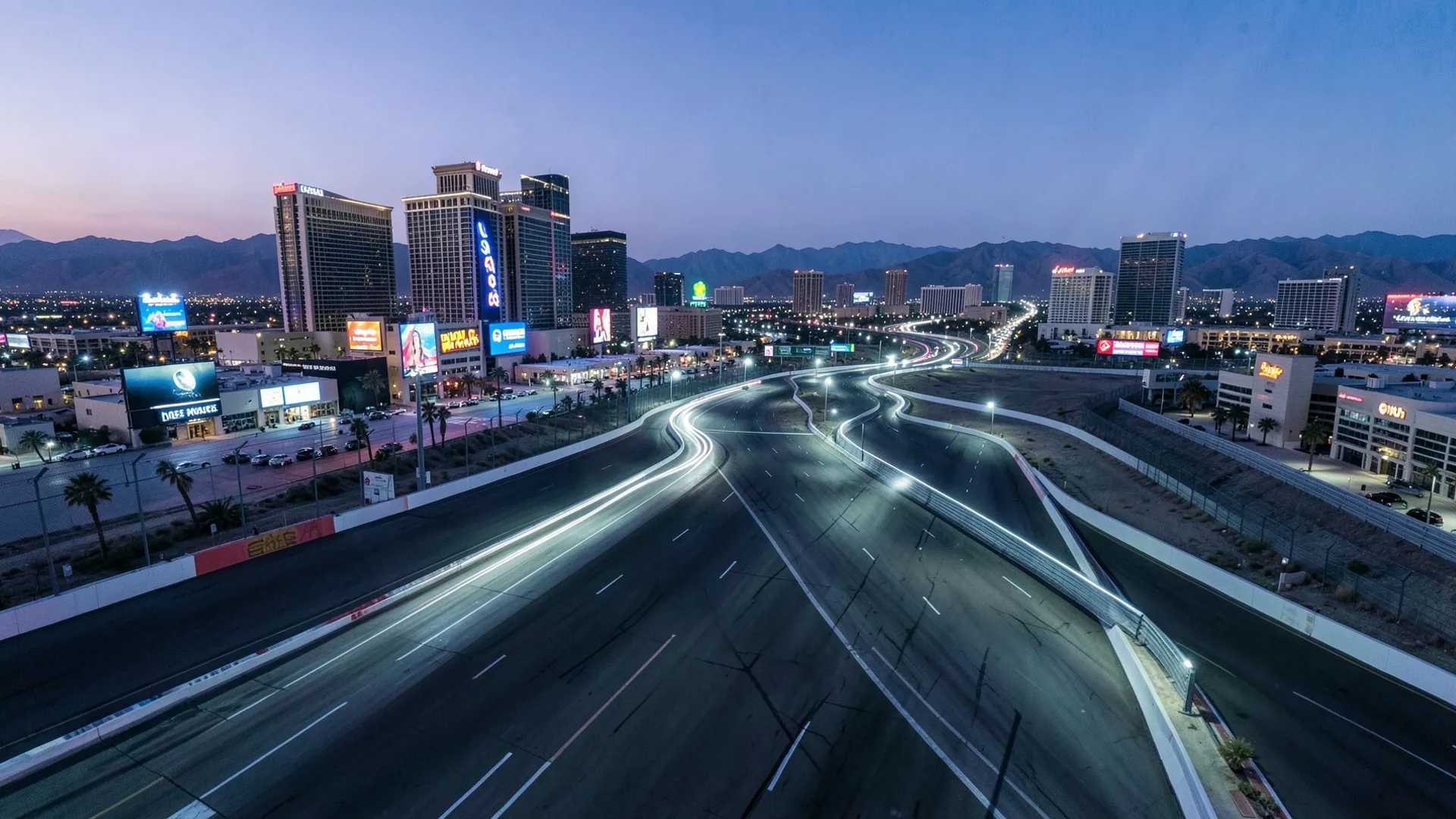
Formula 1 has signed Nike as its apparel partner from 2027, replacing Puma, in a deal announced at the Las Vegas Grand Prix. It brings the world’s biggest sportswear brand back into the sport for the first time in 24 years. For a championship that has spent most of the past decade courting the United States, the signing is the clearest sign yet that the courtship has worked.
Why Nike was unveiled on the Strip
The setting was chosen with care. Las Vegas is the race Formula 1 built for itself. The commercial rights holder promotes the event directly rather than leasing it to a local organiser, and it was conceived as a showcase for the sport’s American ambitions. Unveiling Nike on the Strip, rather than in a press release on a quiet Tuesday, tells sponsors, teams and rival brands where Formula 1 now believes its growth lies.
Nike’s return also arrives during the sport’s most American season. The 2026 calendar has three races in the United States, Cadillac has joined as the 11th team, and Las Vegas hosts Round 21 this weekend, the first of the final three rounds. A US apparel giant announcing itself at a US-promoted race, in the year a US manufacturer entered the grid, is hardly a coincidence of scheduling. Both sides are making a statement of intent.
A different sport from the one Nike left
When Nike last had a presence in Formula 1, the sport looked very different. Michael Schumacher and Ferrari dominated the era. Formula 1 was a European television product with a loyal but ageing audience, and the United States was an afterthought. American fans had an awkward relationship with the series, which had no settled home in the country. A brand built on basketball, running and football had little reason to stay, and it didn’t.
Much of what changed came after Liberty Media bought the sport in 2017. The new owners loosened restrictions on social media, and from 2019 Netflix’s Drive to Survive turned team principals and midfield drivers into recognisable characters. The calendar then followed the audience. Austin, on the schedule since 2012, was joined by Miami in 2022 and Las Vegas in 2023. F1: The Movie took the sport into multiplexes in 2025. Cadillac’s arrival this year gave the American market something it had lacked for decades: a works team of its own.
Nike does not sign deals out of sentiment. It goes where young, affluent and culturally engaged audiences already are, and where its products can be worn outside the arena as well as in it. Its decision to come back is a measure of how far Formula 1’s audience has shifted: the sport now attracts the demographic Nike prizes. Puma’s long association with Formula 1 helped build that audience, and losing the deal will sting. But Puma was competing for this tie-up against a company with a far larger distribution network in North America and far greater cultural reach.
What changes at the merchandise stall
The deal is with Formula 1 itself rather than a team, and that distinction matters. Team kit sells on tribal loyalty: a Ferrari cap or a McLaren polo is bought because of who the wearer supports. Series-branded apparel has a harder job. It has to sell the sport as a lifestyle to people who may not yet have picked a side, and it has to look good enough to wear away from a circuit.
That is where Nike’s strength lies. Its business is built on taking sports clothing into everyday fashion, from basketball shoes to football shirts worn far from any stadium. If Formula 1 wants its logo on clothing in shopping centres in Chicago and Atlanta, as well as in the grandstands at Silverstone and Monza, there are few better partners.
The move also carries risks, and Formula 1 should be clear-eyed about them.
- Scale cuts both ways. For Puma, Formula 1 was a flagship motorsport property. For Nike, it is one of many. The sport will have to work to stay a priority within a catalogue that includes the NBA, the NFL and the world’s biggest football clubs.
- Nike has left before. Its first exit showed that the company’s commitment depends on the audience continuing to grow. If interest in the United States levels off, the relationship will be tested.
- Brand clashes in the paddock. Teams hold their own apparel deals with competing manufacturers, which will make for some crowded and awkward branding at events where the series and its teams share space.
None of these is a reason to turn the deal down. Together they explain why the real test begins after the launch.
The champion Nike will be selling
A sportswear brand needs heroes, and Formula 1 offers a strong set even in a season that has been decided early. Andrea Kimi Antonelli arrives in Las Vegas on 390 points and nine wins. He is 111 clear of Max Verstappen, a margin no rival can close in the three rounds that remain. A 20-year-old Italian champion in a Mercedes is easy to market. Mercedes, on 652 points, are 142 ahead of Ferrari in the constructors’ standings and close to sealing that title too.
The supporting cast is just as useful. Lewis Hamilton, fourth on 261 points, remains the sport’s most famous figure in the United States, and his move to Ferrari has given it a story that reaches well beyond motorsport fans. Verstappen showed in São Paulo why he still draws attention: he started 21st and finished second behind Lando Norris, who won from pole for his third victory of the year. Isack Hadjar completed a strong afternoon for Red Bull in third.
What the season has not produced is an American success story on track. Cadillac are last in the constructors’ championship without a point, and Sergio Pérez finished 18th in Brazil after starting 22nd. There is no American driver on the grid. Nike is therefore not betting on a home-grown winner. Its wager is that the American audience is now loyal to Formula 1 itself, its personalities and its spectacle, rather than to any national interest. That is a more mature form of support than the sport could claim even five years ago, and the kind most likely to last.
Why the deal could outlast the hype
Formula 1 has signed plenty of glamorous sponsors in recent years, and some of those deals have faded once the novelty wore off. This one feels different. A long-standing piece of the sport’s commercial structure is changing hands, and the move shows how the sport’s priorities have shifted westward. Puma’s departure, after years of steady service, is the cost of that shift.
The judgement on this partnership will not come in Las Vegas this weekend, or even when the first Nike-branded collection goes on sale in 2027. It will come over the following seasons, when it becomes clear whether Formula 1 clothing has a place in American wardrobes alongside NBA and NFL jerseys. Nike would not have come back unless it believed that was possible. Formula 1’s task now is to keep the audience growing, so that Nike has no reason to leave a second time.