
Mercedes Can Seal the Constructors' Title in São Paulo: How the Maths Works
Mercedes arrive at Interlagos 126 points clear of Ferrari with four rounds left, and need to outscore them by just three points to complete the double Andrea Kimi Antonelli began in Mexico.
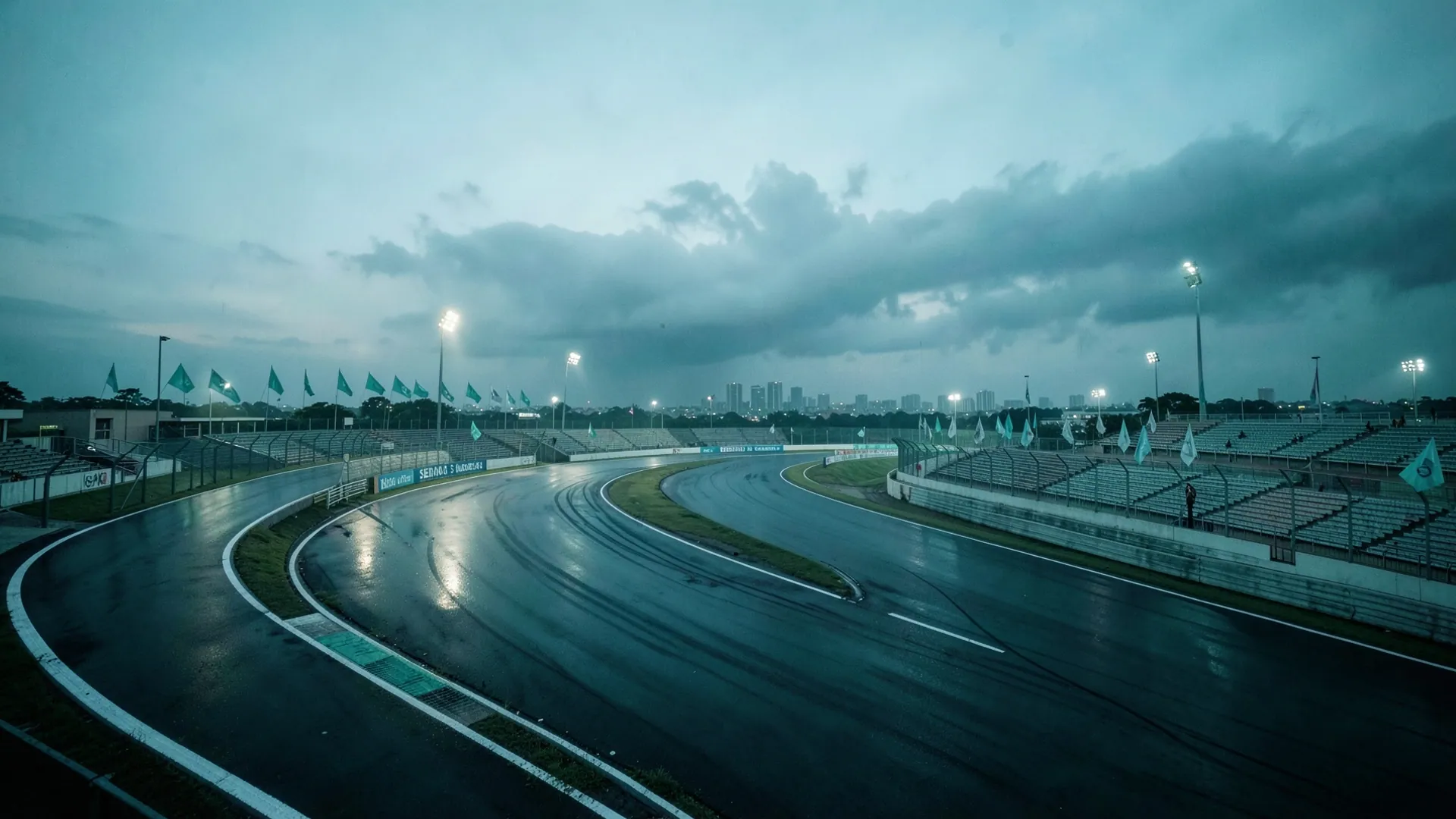
Mercedes can clinch the 2026 constructors’ championship at the Brazilian Grand Prix on 8 November, one week after Andrea Kimi Antonelli sealed the drivers’ title with third place in Mexico City. The team leave Mexico on 630 points, 126 clear of Ferrari with four rounds to run. If they outscore Ferrari by three points or more at Interlagos, the double is theirs with three races to spare.
Three points is the whole equation
Start with what Ferrari can still score. None of the remaining weekends features a sprint, and the bonus point for fastest lap was scrapped for 2025. That means the most a team can collect at a Grand Prix is 43 points: 25 for the win and 18 for second. Once São Paulo is done, three rounds will remain, so Ferrari’s ceiling from that point is 129 points.
That figure decides everything. If Mercedes leave Brazil 130 or more points ahead, Ferrari cannot catch them. A lead of exactly 129 is just as decisive in practice. Ferrari could only draw level by finishing first and second in all three remaining races while Mercedes failed to score at all. Ties are split on countback, starting with wins, and Mercedes have 12 to Ferrari’s two. Even a perfect finish to the season would leave Ferrari on six at most.
So the target is to turn a lead of 126 into one of 129. Mercedes need to finish Sunday at least three points better off than Ferrari. If they gain only one or two points, match Ferrari or fall behind by any margin, the decision moves on to Round 21.
How Sunday could play out at Interlagos
Because Mercedes are only three points short of the target, almost any race in which they clearly beat Ferrari will do. The complication is that the four cars from the two teams have been running in close company near the front, as they did in Mexico, and small swings can go either way. The scenarios below are representative:
| Mercedes finish | Ferrari finish | Net swing to Mercedes | Title sealed? |
|---|---|---|---|
| 1st and 2nd | Anything | +16 or more | Yes |
| 1st and 3rd | 2nd and 4th | +10 | Yes |
| 2nd and 4th | 3rd and 5th (Verstappen wins) | +5 | Yes |
| 2nd and 3rd | 1st and 8th | +4 | Yes |
| 2nd and 3rd | 1st and 7th | +2 | No |
| 2nd and 5th | 3rd and 4th (Verstappen wins) | +1 | No |
| 3rd and 6th | 2nd and 4th (a Mexico repeat) | −7 | No |
| Anything | 1st and 2nd | Negative | No |
The most instructive line is the Ferrari victory. A win for Lewis Hamilton or Charles Leclerc does not stop Mercedes on its own. If Antonelli and George Russell take second and third, the other Ferrari must finish seventh or higher to keep the fight alive. The two points between seventh and eighth place would decide the championship.
Max Verstappen is the other variable. He won in Mexico from fifth on the grid, and a Red Bull victory takes 25 points out of circulation for both teams. That squeezes the margins. If Mercedes finish second and fifth behind him, with the Ferraris third and fourth, they gain a single point, which is not enough. The midfield matters too. Lando Norris, Oscar Piastri and Isack Hadjar can all split the leading pairs, and every place they take from one team rather than the other moves the swing.
A single Mercedes retirement while both Ferraris score would almost certainly push the decision to Round 21. Interlagos has a long record of rain, safety cars and races that refuse to follow the grid, so that risk is real.
Mexico turned a cushion into a target
The Mexico City result is the reason this is not already a formality. Mercedes arrived there 133 points ahead. Hamilton converted pole into second place and Leclerc finished fourth, which gave Ferrari 30 points. Antonelli’s third and Russell’s sixth were worth 23 for Mercedes.
Those seven points changed the character of the Brazil weekend. Had Mercedes simply matched Ferrari in Mexico, they would have arrived at Interlagos already above the 129-point line. They could then have been outscored by up to four points on Sunday and still celebrated. Instead, they must beat Ferrari. Russell’s afternoon was the costly part: he started from the front row and finished sixth, the biggest backward step by any of the top six finishers.
The longer view still favours Mercedes heavily. Over 19 rounds they have averaged roughly 33 points per weekend to Ferrari’s 26.5, a gap of more than six points per race. That is more than double what they need in São Paulo. Ferrari’s strength in Mexico was real, with Hamilton on pole and Leclerc third on the grid. But one strong weekend does not cancel out a season in which Ferrari have won only twice.
Ferrari also have less to play for than the gap suggests. They sit 124 points clear of Red Bull and 133 ahead of McLaren in the race for second. Red Bull could still catch them in theory, but it would take an extraordinary collapse. Maranello’s realistic aims for the closing rounds are wins and strong finishing positions in the drivers’ standings for Hamilton and Leclerc. Delaying a Mercedes celebration would be a by-product of chasing those, not a strategy in itself.
A 2014 echo under a new rulebook
If Mercedes finish the job on Sunday, it will be their ninth constructors’ title and their first since 2021, the last of eight in a row. That run began in 2014 with the arrival of hybrid turbo power units. This title would come with the 2026 overhaul of both chassis and power unit rules, and the parallel is hard to miss. Mercedes again appear to have read a new set of regulations better than their rivals.
The timing would match too. In 2014, Mercedes wrapped up the constructors’ championship at the Russian Grand Prix in Sochi with three rounds remaining. A clinch in São Paulo would leave exactly the same number to spare.
By recent standards, though, this is commanding rather than crushing. Red Bull sealed the 2023 title at Suzuka with six races left, and McLaren secured theirs in Singapore in 2025, also with six remaining. In 2024, McLaren’s title went to the Abu Dhabi finale. Mercedes have won 12 of the 19 races, but six different drivers have won Grands Prix this season. Ferrari, Red Bull and McLaren have each taken at least two victories. Mercedes have been the best team on most weekends, not untouchable on every one.
Russell’s fight for second is the real subplot
The constructors’ maths may settle itself on Sunday. The battle behind Antonelli in the drivers’ standings will not. Verstappen holds second on 261 points, with Hamilton two behind on 259, Russell on 250 and Leclerc on 245. Those four drivers are covered by 16 points, with 100 still available to each of them.
For Mercedes, Russell is where the remaining value lies. Second place for him would give the team a one-two in the drivers’ championship for the first time since 2020. The points that keep him in that fight are the same ones that would seal the constructors’ title in Brazil. A clean, front-running weekend from Russell would probably settle both questions at once.
Expect Mercedes to seal it at Interlagos. Their season average and Ferrari’s limited room for manoeuvre both point that way. The more revealing test will be whether Russell can turn a front-row-calibre car into a front-row result. If he repeats Mexico, Ferrari could take the constructors’ fight to Round 21, and Verstappen would be favourite to finish as runner-up to Antonelli.