
Hamilton's Path to an Eighth Crown as F1 Returns from Summer Break
Analyze the tightening title fight and remaining calendar as Hamilton eyes a record eighth championship.
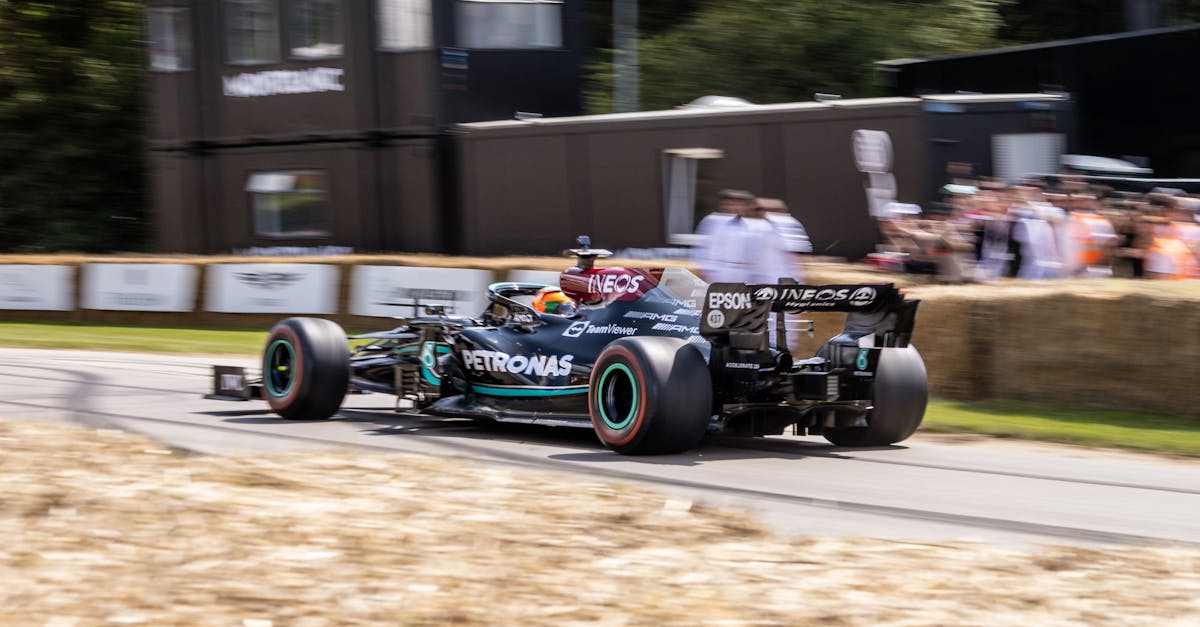
Formula 1’s return from its summer shutdown rarely arrives without a narrative attached, but this year the sport reconvenes with something it hasn’t had in a while: a genuine title fight, with Lewis Hamilton in the frame for a record-breaking eighth World Championship. That alone would be a significant sub-plot for the second half of the season. That it comes wrapped in questions about Ferrari’s development priorities and renewed scrutiny of stewarding impartiality makes this one of the more layered storylines the paddock will carry into the run to the flag.
The State of Play
The picture as the sport resumes is a straightforward one to state and a complicated one to unpick: Mercedes have been the pace-setters for large parts of the season, but Ferrari have not stood still. Maranello’s engineers have spent the year narrowing the gap, and the reports of intensive behind-the-scenes work — aimed at giving both Hamilton and Charles Leclerc machinery capable of overhauling Mercedes — suggest a team that sees the championship as retrievable rather than lost. That framing matters. A title fight that looked settled before the break is now being described, credibly, as live.
For Hamilton personally, the stakes could hardly be higher. A seventh title already puts him level with Michael Schumacher at the top of the all-time list; an eighth would be the outright record, the kind of achievement that ends debates rather than fuels them. Every remaining Grand Prix now carries that context, and it will shape strategy calls, risk tolerance and media coverage alike right through to the season’s conclusion.
Why the Summer Break Is a Genuine Inflection Point
It’s easy to treat the mid-season shutdown as simply a holiday, but competitively it’s one of the few moments in the calendar where teams can step back, audit where their car has fallen short, and commit resources to a genuinely different direction rather than incremental trackside tweaks. Development freezes, cost cap accounting and the sheer logistics of the calendar mean that in-season revisions are usually surgical: a front wing here, a floor edge there. The break is when a factory can reset its upgrade roadmap for the back half of the year.
That’s precisely why Ferrari’s reported activity at Maranello is worth taking seriously rather than dismissing as standard paddock chatter. If the Scuderia have used the downtime to bring forward developments intended to close out the year strongly, the balance of power could shift meaningfully in the remaining rounds — and shift quickly, since a car that arrives even a few tenths quicker changes qualifying position, tyre strategy and race-pace management all at once. Mercedes, for their part, will have used the same window to defend their advantage, and how the two updates compare on track — likely from the very first weekend back — will tell us more about the destiny of this title than anything said in the paddock beforehand.
The Complication of Two Fast Ferraris
There’s a wrinkle in Ferrari’s approach that shouldn’t be glossed over. Building a car capable of taking the fight to Mercedes is one thing; managing two drivers, Hamilton and Leclerc, both capable of winning races in it, is another challenge entirely. Team orders, tyre allocation priority and strategic calls in wheel-to-wheel moments between team-mates have unravelled championship campaigns before now, and Ferrari’s history is not spotless in this regard. If both cars are genuinely competitive with Mercedes, Maranello’s bigger test may not be the car at all — it may be whether they can referee their own championship contenders fairly while still taking points off the opposition. Handled well, it’s a luxury; handled poorly, it’s the kind of internal friction that has cost teams titles they were quick enough to win.
Scrutiny, Bias and the Optics of a Hamilton Title Bid
The intervention of a former FIA steward addressing accusations of bias is a reminder that a Hamilton championship challenge never unfolds in a vacuum. His profile, history and the sheer number of contentious steward decisions across his career mean that every marginal call — a track-limits deletion, a five-second penalty, a grid drop — gets read by some as evidence of a pattern rather than an isolated judgement. That scrutiny cuts both ways: it keeps officiating honest under the spotlight, but it also risks turning routine decisions into conspiracy theories that distract from the racing itself. A steward stepping forward to defend the integrity of the process is, in that sense, a useful corrective — a reminder that decisions are typically the product of process and precedent rather than agenda, even if the sport’s occasional inconsistency in applying its own rules gives sceptics plenty of raw material to work with.
GP Headlines’ Take
Strip away the noise and what’s left is refreshingly simple: a title race worth watching, decided by whichever team gets more out of its summer-break homework. Ferrari’s dual-car push is a bold, high-reward strategy that could hand Hamilton the record-breaking eighth title he’s chasing — but only if Maranello manages the Hamilton-Leclerc dynamic with more discipline than has sometimes been the case in the past. Mercedes cannot be written off simply because rivals have been busy; their own response over the break will matter just as much. As for the bias question, it’s a conversation the sport should keep having openly rather than defensively — but it shouldn’t be allowed to overshadow what, on the evidence available, looks like a title fight genuinely earned on merit rather than manufactured for headlines.