
Bortoleto Locks In Long-Term Future as Audi Fends Off Sainz Speculation
Audi secures its young star's contract, easing swirling rumors about a Sainz move.
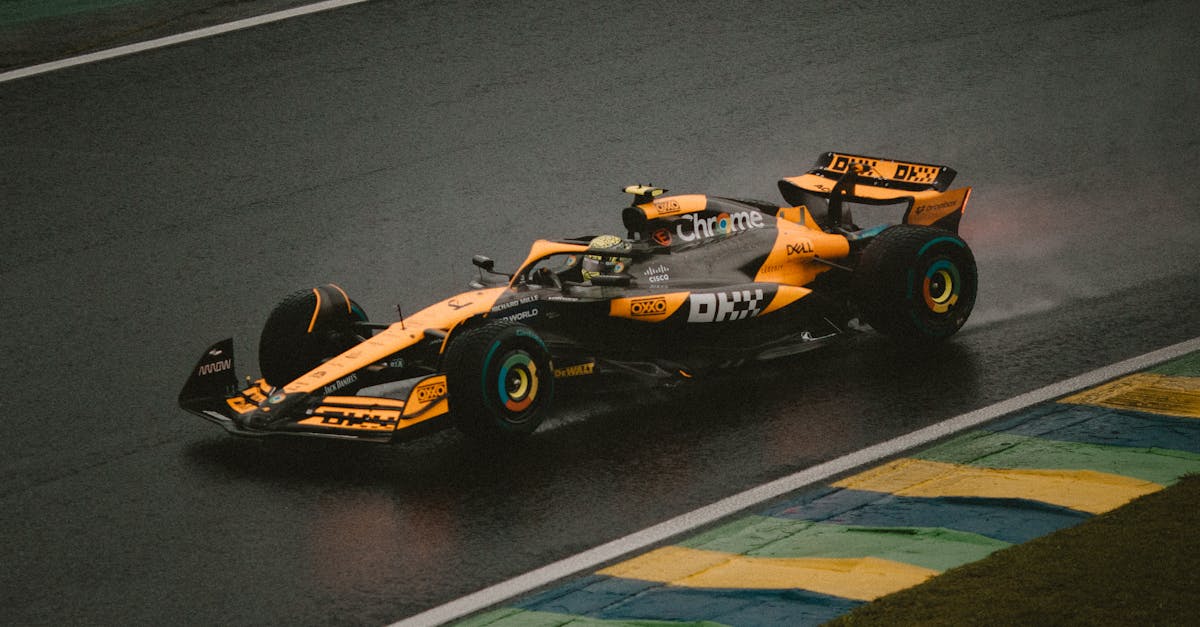
Contract announcements rarely move the needle mid-season, but Gabriel Bortoleto’s confirmation of his long-term future at Audi lands at a moment when it matters. With Carlos Sainz’s name being floated as a potential alternative for a seat at the Hinwil-based operation, Audi’s decision to nail down its young Brazilian now, rather than let speculation fester through the summer, tells us as much about the team’s priorities as it does about Bortoleto’s own ambitions.
What’s Happening
Audi is in its debut season as a full works constructor in Formula 1, having absorbed the Sauber operation and begun the long process of turning it into a factory-backed frontrunner. Bortoleto, one of the more highly regarded young drivers to reach the grid in recent years, has been entrusted with driving duties as that transformation gets under way. Today’s statement — confirming his contract status for the years ahead — arrives directly in response to rumours suggesting Sainz could be an option for Audi, presumably as a more experienced alternative to a rookie still finding his feet in a team that is itself still finding its feet.
By getting ahead of the story and putting Bortoleto’s position beyond doubt, Audi has effectively closed down the speculation before it could gather any real momentum. That timing is instructive. Teams do not typically rush out contract confirmations unless they sense a genuine need to reassure a driver, his management, or their own fanbase that the ground is not shifting beneath them.
Why It Matters
For a driver in only his first season at this level, contractual security is not a luxury — it’s a precondition for doing the job properly. Rookies are already absorbing an enormous amount: unfamiliar circuits, the pressures of a longer season than any junior category prepares you for, and the technical vocabulary needed to work productively with race engineers on a car that is still being developed. Layer on genuine uncertainty about whether you’ll even have a seat next year, and every mistake starts to carry a weight it shouldn’t. Drivers who are worrying about their futures tend to drive differently — more cautiously in some moments, more recklessly in others, chasing results to justify their place rather than building the steady foundation a long rookie season is supposed to provide.
Audi, too, has its own interests here. A young driver signed to a multi-year package is precisely the kind of asset a new works team wants to build around, provided the raw ability is there. Continuity between driver and engineering group compounds over time — feedback becomes more precise, the driver’s preferences shape car development more directly, and trust builds between the cockpit and the factory. Uprooting that relationship after a single season, in favour of an experienced but expensive alternative, would send a signal that Audi didn’t quite believe in its own project, or in the driver it had chosen to lead it.
The Wider Context
Sainz’s situation is worth considering on its own terms. A driver of his calibre and experience is naturally going to be linked to any seat that becomes even nominally available, particularly at a manufacturer entering a period of major investment and expansion. Whether or not there was ever anything substantive behind the Audi links, the mere existence of the rumour was enough to require a response — a reflection of how quickly speculation involving established, front-running-capable drivers can attach itself to teams in transition, whether the interest is mutual or not.
This is also a reminder of the broader pressures facing new manufacturer entries in Formula 1. Audi’s arrival was always going to invite scrutiny of every decision — technical, organisational and, inevitably, on the driver front. New works teams tend to face a recurring dilemma: back a promising young driver and accept the growing pains that come with it, or reach for the reassurance of experience and risk signalling impatience before the project has had time to breathe. Audi’s choice to back Bortoleto suggests a preference for the former path, betting on development over a short-term fix, and betting that the disruption of a driver change would cost more than the upside of bringing in a more seasoned campaigner.
GP Headlines’ Take
There is a sound long-term logic to Audi’s decision. Building a competitive works team from the foundations Sauber has left behind is a multi-year project, and multi-year projects benefit from continuity wherever it can be found — not least in the cockpit, where the relationship between driver and engineering group is one of the few variables a team can lock in early and build around. Bortoleto’s talent was evidently rated highly enough to earn this backing, and shutting down the Sainz speculation swiftly, rather than letting it drag through the paddock for weeks, was the correct piece of housekeeping regardless of how seriously that interest was ever pursued.
The real test now shifts from the contract page to the timing sheets. Security buys Bortoleto the space to develop without looking over his shoulder, but it also raises the stakes on Audi’s side of the bargain: having chosen patience over a proven alternative, the team now needs to show it can build a car and an operation worthy of the driver it has just committed to.